The problem isn’t the product, it’s the classification
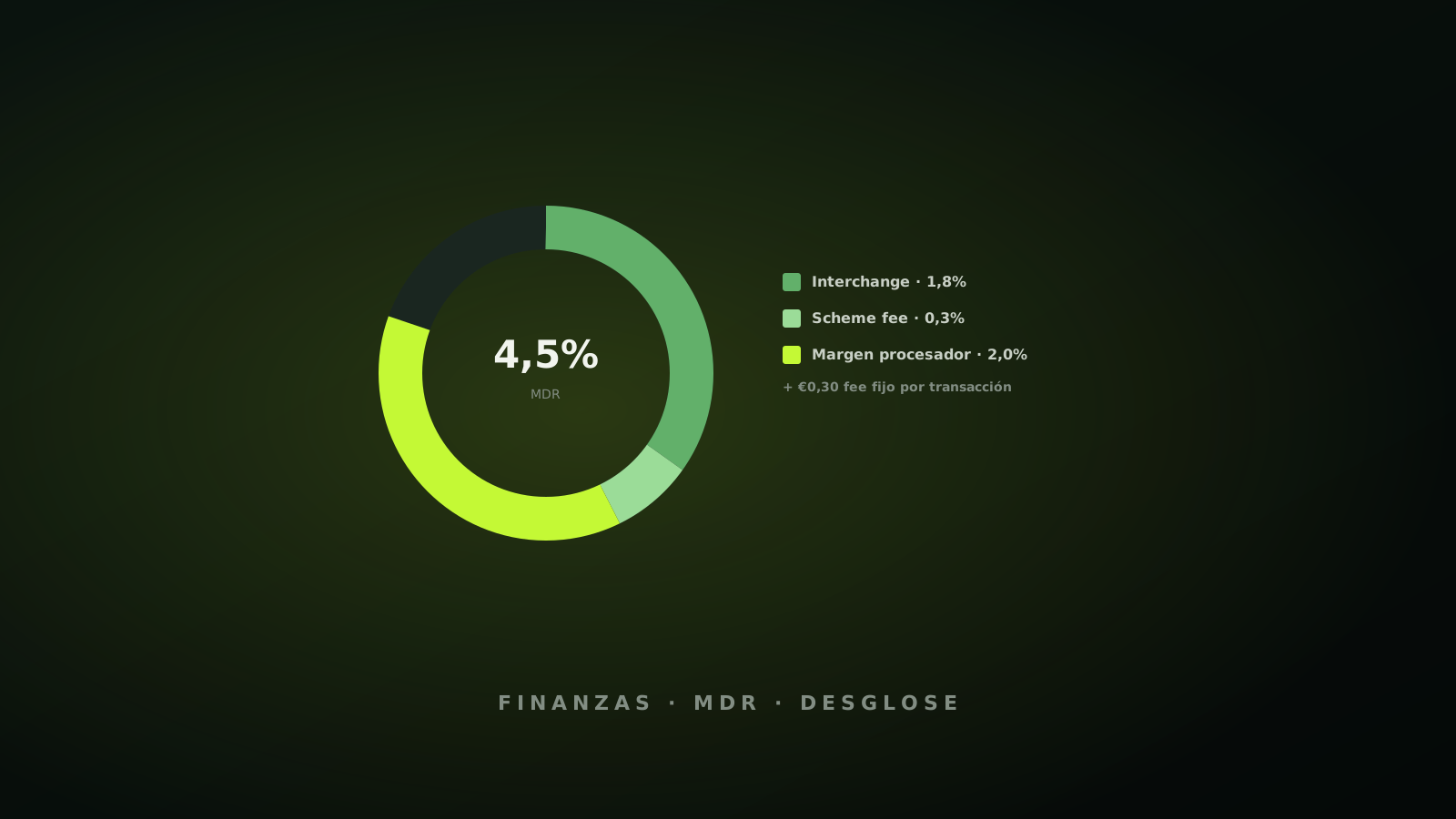
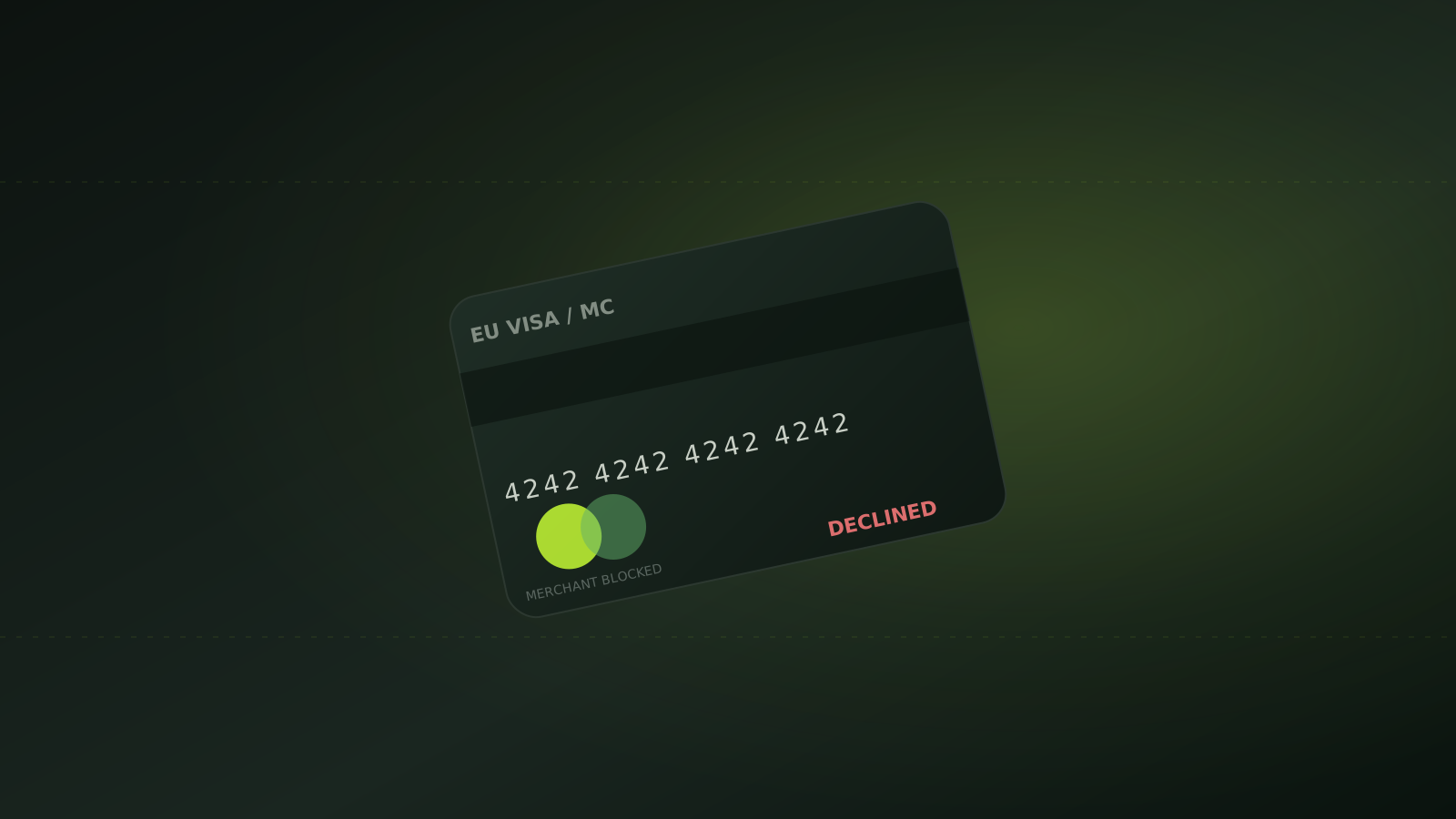
When a merchant selling CBD tries to operate with Stripe, PayPal or a traditional bank terminal, they are not facing a marketing decision — they are facing a risk classification system inherited from the 2000s that does not even look at the actual catalogue. The industry labels them as high-risk and from there everything changes: the acquiring bank demands higher reserves, processors apply 4-8% fees and, most frustratingly, any spike in chargebacks or a regulatory complaint can freeze the account overnight.
What’s behind the block
Three factors come into play:
-
MCC codes: the Merchant Category Code assigned by the card network (Visa/Mastercard) determines how each transaction is processed. The MCC 5912 (pharmacies) or 5499 (specialised food) typically assigned to CBD does not fit fast-approval flows; many banks automatically flag it for manual review or reject it outright.
-
Acquiring bank vs processor: Stripe and PayPal are processors, but the entities that actually settle the money to the merchant are the acquiring banks they have agreements with. Those banks have internal policies that exclude entire sectors — cannabis and CBD among them — regardless of the local legality of the product.
-
Reputation and chargebacks: CBD has chargeback rates slightly higher than other e-commerce because it combines emotional purchasing, regulatory doubts and a consumer who sometimes does not understand what they bought (full-spectrum vs broad-spectrum, THC content, etc.). A chargeback rate above 1% is enough to land in Visa monitoring programmes that escalate fees.
EU/EEA regulation
The European Union partially harmonised CBD regulation with the Kanavape ruling (2020), which declared CBD a non-narcotic product under EU law. However, each country maintains its own nuances: Spain allows the sale of CBD cosmetics but not oral consumption; Germany requires health authorisation for CBD foods; France aligns with the CJEU but with uneven regulation. That regulatory fragmentation is what scares the banks.
How to avoid the block
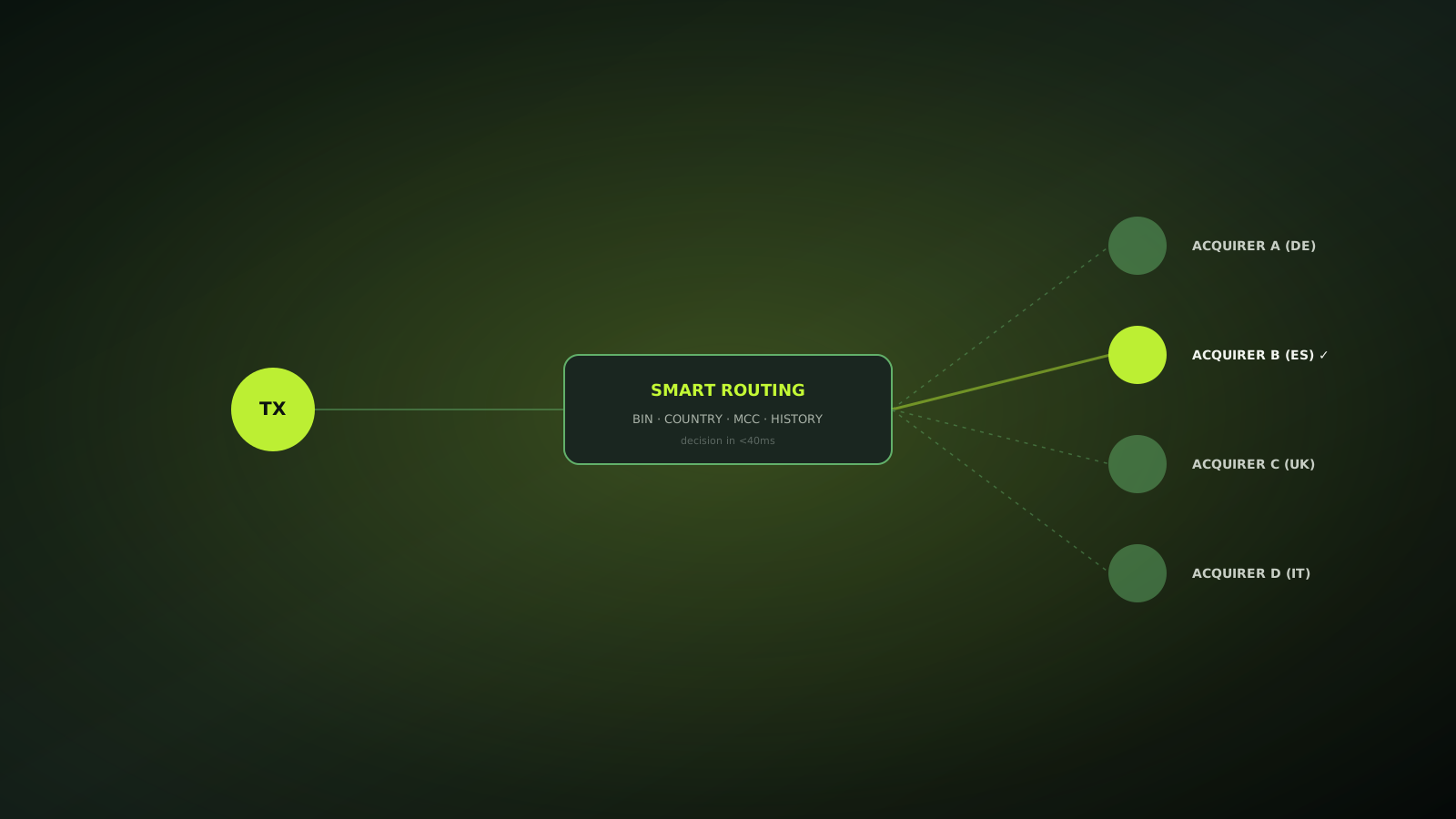
The way out is not to fight the system, it is to operate with a specialised processor. High-risk processors work with acquiring banks that understand the sector, assign correct MCCs (7295 — services or custom categories), apply smart routing to find the most efficient approval route, and monitor chargebacks with metrics adapted to the reality of the product. At WeedsPayments we have seen merchants go from a 60% approval rate with a traditional processor to 92%+ after migration. The difference is not magic — it is choosing the right infrastructure for the right sector.