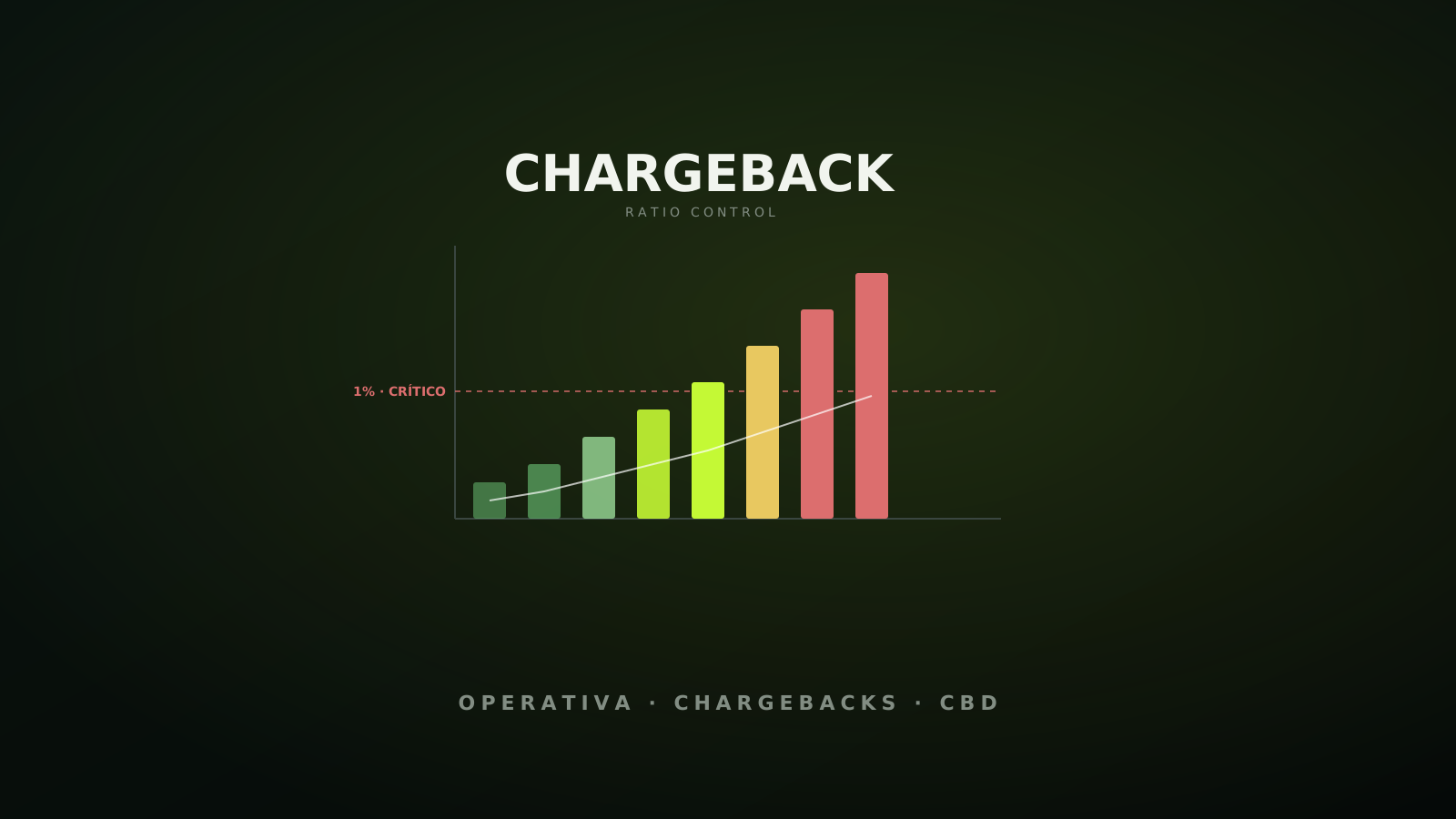
Chargebacks are the nightmare of any CBD merchant. They don’t just mean refunding the sale — they bring financial penalties, damage your reputation with the bank and, if the ratio crosses certain thresholds, can result in the definitive closure of your payment account.
The good news: most chargebacks are preventable. In this article we explain how.
| €25+ minimum penalty for each chargeback | 1% critical ratio threshold — the bank starts acting | 80% of chargebacks are preventable with the right measures |
What exactly is a chargeback?
A chargeback is a dispute initiated by a cardholder with their bank to reverse a charge. The issuing bank pulls the amount from the merchant’s account while it investigates the claim.
Unlike a voluntary refund (which the merchant initiates), the chargeback is forced by the buyer’s bank. This means the merchant loses the sale amount, pays the processor’s penalty and must prove the transaction was legitimate to recover the money.
“A chargeback isn’t just losing a sale. It’s losing the sale, paying a fine and putting the account at risk. Three hits for the price of one.”
Main causes of chargebacks in CBD e-commerce
| Cause | Frequency and solution |
|---|---|
| ”I don’t recognise this charge” | VERY FREQUENT. The bank descriptor isn’t recognisable. Solution: use a clear descriptor consistent with the brand. |
| ”I didn’t receive the product” | FREQUENT. Logistics or communication issue. Solution: shipping confirmations and proactive tracking. |
| ”The product isn’t what I expected” | FREQUENT. Unclear product description. Solution: real photos, accurate descriptions, visible returns policy. |
| Fraud with a stolen card | MODERATE. Transactions with compromised cards. Solution: 3DS2 enabled, anti-fraud filters. |
| Unrenewed subscription | MODERATE. The customer forgot to cancel. Solution: reminder emails before each renewal, one-click cancellation. |
Prevention strategies that actually work
1. Recognisable bank descriptor
The descriptor is the text that appears on the buyer’s bank statement next to the charge. If the customer doesn’t recognise it, they call their bank. Use a descriptor that includes your store name clearly — not your legal entity name.
2. 3DS2 enabled at checkout
The 3D Secure 2 (3DS2) protocol adds an authentication layer at the moment of payment. When it is enabled, liability for fraud chargebacks shifts to the issuing bank. It is the single most effective measure against card fraud.
3. Proactive shipping communication
Send order confirmation, tracking number and delivery notice. The customer who knows where their parcel is doesn’t call their bank. The customer who hears nothing for a week, does.
4. Visible and easy returns policy
A clear, accessible returns policy reduces chargebacks for “unsatisfactory product”. If the customer knows they can easily return, they will prefer to contact the store rather than their bank.
5. Reminder emails for subscriptions
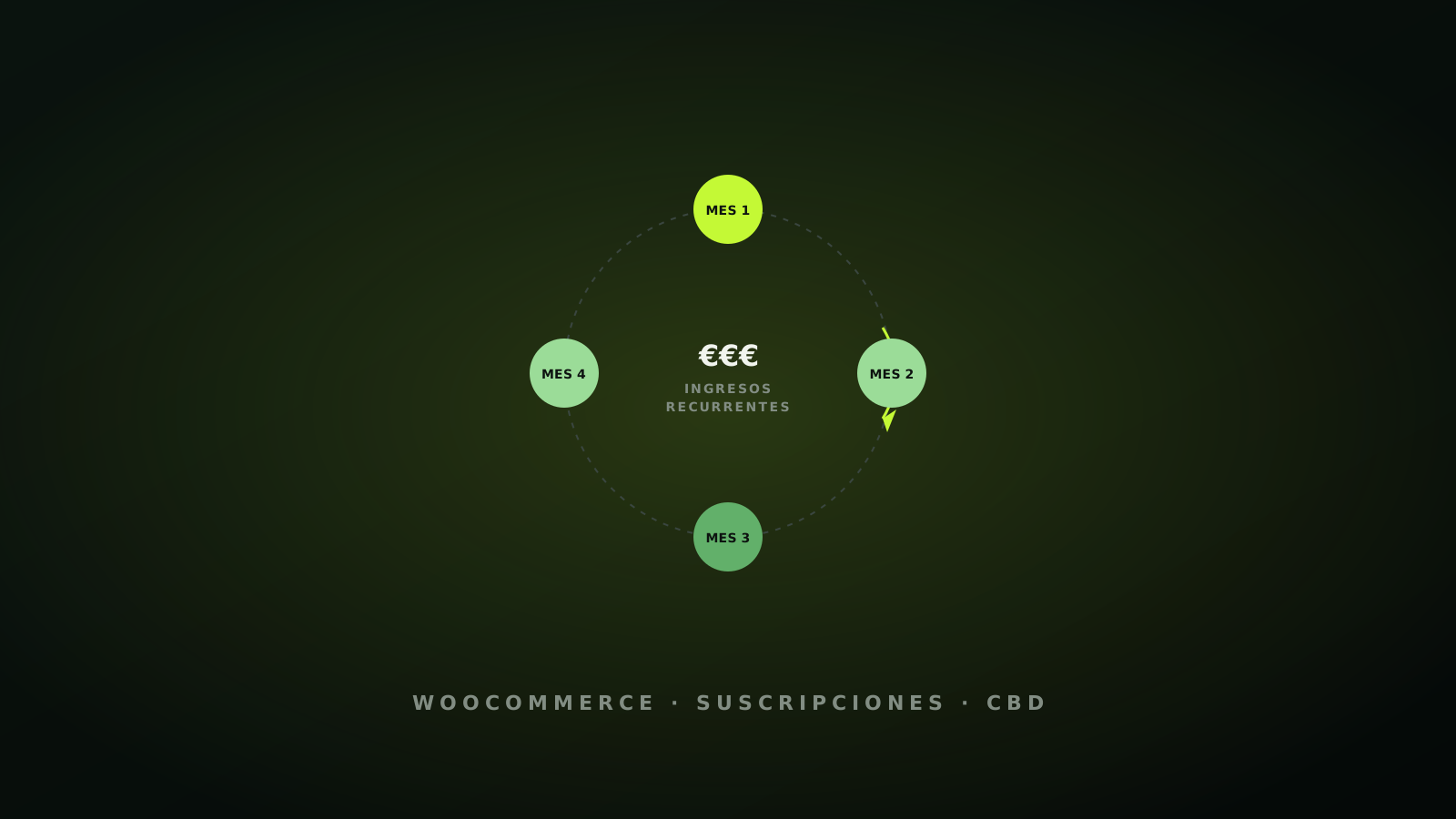
For merchants with a subscription model: send a reminder 5-7 days before each renewal. The customer who receives the reminder and doesn’t want to renew cancels. The one who gets no reminder and sees the charge files a chargeback.
Golden rule: it is better to issue a voluntary refund than to receive a chargeback. A refund costs the sale amount. A chargeback costs that plus the penalty plus the impact on your account ratio. When the customer complains, refund fast.
How to respond to a chargeback properly
If a chargeback arrives, you have a limited window to respond (generally 7-14 days). The process:
- Notify WeedsPayments within a maximum of 24 hours of receiving the alert.
- Gather evidence: order confirmation, tracking with confirmed delivery, communications with the customer, transaction IP, description of the product delivered.
- Draft a response that is clear and concise, addressed to the bank — no emotions, just data.
- Send all the documentation through the channel WeedsPayments specifies.
- Wait for resolution (generally 30-60 days).
Without the right documentation and within the deadline, the chargeback is accepted automatically. There is no second chance. Response speed is critical.
“Keeping the chargeback ratio below 0.5% isn’t hard. It takes clear processes, proactive communication and a team that responds quickly.”